Domain sicherheits-glas.de kaufen?
Wir ziehen mit dem Projekt
sicherheits-glas.de um.
Sind Sie am Kauf der Domain
sicherheits-glas.de interessiert?
domain@kv-gmbh.de · 0541-91531010
Domain sicherheits-glas.de kaufen?
Cake or fake?
It depends on the context. If you are asking about a choice between eating cake or something that is not real, then cake would be the preferred option. However, if you are asking about the authenticity of something, then fake would imply that it is not genuine or real. **
Will or gonna?
"Will" and "gonna" are both used to express future actions, but there are slight differences in their usage. "Will" is more formal and is used in more formal situations, while "gonna" is a more informal and colloquial way of expressing future actions. **


Ähnliche Suchbegriffe für -or
Top-Angebote
Produkte zum Begriff -or:



-
Do or does?
The choice between "do" and "does" depends on the subject of the sentence. "Do" is used with plural subjects and "does" is used with singular subjects. For example, "They do their homework" and "She does her homework." **
-
Anyway or anyways?
Both "anyway" and "anyways" are commonly used in spoken English to mean the same thing. However, "anyway" is more widely accepted and considered to be the standard form. "Anyways" is often considered to be more informal or colloquial. **
-
Doesn't or don't?
The correct form to use depends on the subject of the sentence. "Doesn't" is used with singular subjects, while "don't" is used with plural subjects. For example, "He doesn't like coffee" (singular subject) and "They don't like coffee" (plural subject). **
-
Travelling or traveling?
Both "travelling" and "traveling" are correct spellings of the word, but they are used in different regions. "Travelling" is more commonly used in British English, while "traveling" is more commonly used in American English. **

Do or make?
The choice between "do" and "make" depends on the context and the specific action being referred to. "Do" is generally used for activities or actions that involve performing or carrying out something, while "make" is used for creating or producing something tangible. For example, you would say "do your homework" but "make a cake." **
Go or goes?
The correct form would depend on the subject of the sentence. "Go" is used with the pronouns "I," "you," "we," and "they," while "goes" is used with the pronouns "he," "she," and "it." For example, "I go to the store" and "She goes to the store." **
Top-Angebote
Produkte zum Begriff -or:
-
Berker Steckdose Glas or matt 6765091914Ausführung=SchutzkontaktstiftAnzahl der aktiven Kontakte (rund)=2Mit Signallampe=neinAnzahl der Einheiten=1Anzahl der Module (bei Modulbauweise)=1Anzahl der Phasen=1Aufdruck/Kennzeichnung=ohneAnschlussart=SchraubklemmeMit Klappdeckel=neinMit erhöhtem Berührungsschutz=jaTextfeld/Beschriftungsfläche=neinFarbe=orangeRAL-Nummer (ähnlich)=2003Metallicfarbe=neinTransparent=neinAbschließbar=neinAuswurfmechanismus=neinIsolierter Einbau=jaMit Funktionsbeleuchtung=jaMit Orientierungslicht=neinÜberspannungsschutz=neinFehlerstromschutz=neinMit Feinsicherung=neinMontageart=UnterputzBefestigungsart=Krallen-/SchraubbefestigungWerkstoff=KunststoffWerkstoffgüte=ThermoplastHalogenfrei=jaOberflächenschutz=unbehandeltAusführung der Oberfläche=mattAntibakterielle Behandlung=neinMit Durchschleiffunktion=neinMit Ein-/Ausschalter=neinVerdrehter Zentraleinsatz=neinNennstrom=16 ANennspannung=250 VFrequenz=50..60 ...27,31 €*Versand: 5,99 €Sichere Weiterleitung zum Anbieter
-
Berker Steckdose Glas or/gl 6765097014Ausführung=SchutzkontaktstiftAnzahl der aktiven Kontakte (rund)=2Mit Signallampe=neinAnzahl der Einheiten=1Anzahl der Module (bei Modulbauweise)=1Anzahl der Phasen=1Aufdruck/Kennzeichnung=ohneAnschlussart=SchraubklemmeMit Klappdeckel=neinMit erhöhtem Berührungsschutz=jaTextfeld/Beschriftungsfläche=neinFarbe=orangeRAL-Nummer (ähnlich)=2003Transparent=neinAbschließbar=neinAuswurfmechanismus=neinIsolierter Einbau=jaMit Funktionsbeleuchtung=jaMit Orientierungslicht=neinÜberspannungsschutz=neinFehlerstromschutz=neinMit Feinsicherung=neinMontageart=UnterputzBefestigungsart=Krallen-/SchraubbefestigungWerkstoff=KunststoffWerkstoffgüte=ThermoplastHalogenfrei=jaOberflächenschutz=unbehandeltAusführung der Oberfläche=glänzendAntibakterielle Behandlung=neinMit Durchschleiffunktion=neinMit Ein-/Ausschalter=neinVerdrehter Zentraleinsatz=neinNennstrom=16 ANennspannung=250 VFrequenz=50..60 HzGeeignet für...27,31 €*Versand: 5,99 €Sichere Weiterleitung zum Anbieter
-
Cake or fake?
It depends on the context. If you are asking about a choice between eating cake or something that is not real, then cake would be the preferred option. However, if you are asking about the authenticity of something, then fake would imply that it is not genuine or real. **
-
Will or gonna?
"Will" and "gonna" are both used to express future actions, but there are slight differences in their usage. "Will" is more formal and is used in more formal situations, while "gonna" is a more informal and colloquial way of expressing future actions. **
-
Do or does?
The choice between "do" and "does" depends on the subject of the sentence. "Do" is used with plural subjects and "does" is used with singular subjects. For example, "They do their homework" and "She does her homework." **
-
Anyway or anyways?
Both "anyway" and "anyways" are commonly used in spoken English to mean the same thing. However, "anyway" is more widely accepted and considered to be the standard form. "Anyways" is often considered to be more informal or colloquial. **
Ähnliche Suchbegriffe für -or
-
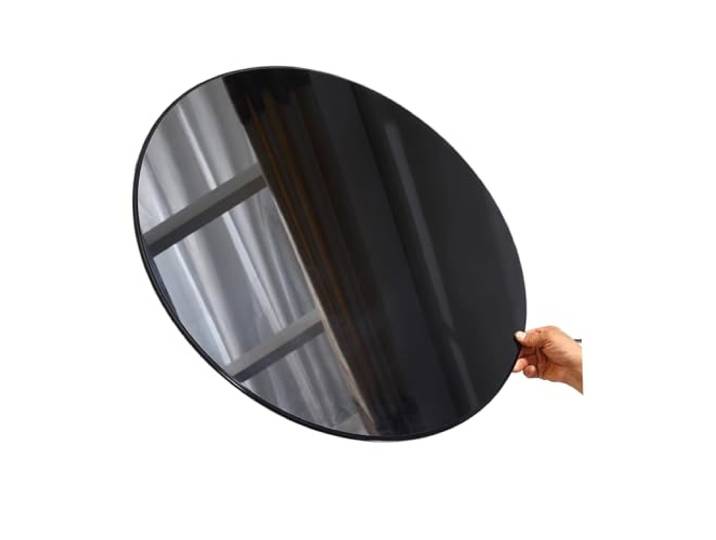
Runde schwarze Tischplatte aus gehärtetem Glas, runde Tischplatte aus gehärtetem Glas, perfekter Kreis, hohe Temperaturbeständigkeit, langlebig und stabil, bruchsicher, hochwertiges rundes Glas (75 cm<p>Die runde schwarze Tischplatte aus <strong>gehärtetem Glas</strong> vereint Funktionalität und elegantes Design in einem. Mit einem Durchmesser von 75 cm bietet sie ausreichend Platz für Deine Tischdekoration und sorgt gleichzeitig für einen modernen Look in Deinem Wohnraum. Das hochwertige <strong>gehärtete Glas</strong> ist nicht nur bruchsicher, sondern auch extrem langlebig und stabil, was es zu einer idealen Wahl für den täglichen Gebrauch macht.</p><p>Die Tischplatte zeichnet sich durch ihre hohe Temperaturbeständigkeit aus, sodass heiße Tassen oder Teller problemlos darauf abgestellt werden können. Die Kanten sind sorgfältig glatt poliert, was nicht nur die Ästhetik unterstreicht, sondern auch Deine Sicherheit gewährleistet. Diese <strong>runde Tischplatte</strong> schützt nicht nur Deinen Tisch, sondern wertet auch die gesamte Einrichtung auf und schafft eine stilvolle Atmosphäre.</p><p>Die Installation der Tischplatte ist denkbar einfach und kann schnell und sicher durchgeführt werden. Sie dient zudem als effektive Schutzplatte für Holz- oder Laminattische, indem sie vor Beschädigungen, Schmutz und Verbrennungen schützt. Die glatte und flache Oberfläche lässt sich mühelos mit einem feuchten Tuch reinigen, was Dir Zeit und Mühe spart. Setze auf Qualität und Stil mit dieser eleganten Tischplatte aus <strong>gehärtetem Glas</strong>.</p>179,38 €*Versand: 0,00 €Sichere Weiterleitung zum Anbieter
-
Doesn't or don't?
The correct form to use depends on the subject of the sentence. "Doesn't" is used with singular subjects, while "don't" is used with plural subjects. For example, "He doesn't like coffee" (singular subject) and "They don't like coffee" (plural subject). **
-
Travelling or traveling?
Both "travelling" and "traveling" are correct spellings of the word, but they are used in different regions. "Travelling" is more commonly used in British English, while "traveling" is more commonly used in American English. **
-
Do or make?
The choice between "do" and "make" depends on the context and the specific action being referred to. "Do" is generally used for activities or actions that involve performing or carrying out something, while "make" is used for creating or producing something tangible. For example, you would say "do your homework" but "make a cake." **
-
Go or goes?
The correct form would depend on the subject of the sentence. "Go" is used with the pronouns "I," "you," "we," and "they," while "goes" is used with the pronouns "he," "she," and "it." For example, "I go to the store" and "She goes to the store." **
* Alle Preise verstehen sich inklusive der gesetzlichen Mehrwertsteuer und ggf. zuzüglich Versandkosten. Die Angebotsinformationen basieren auf den Angaben des jeweiligen Shops und werden über automatisierte Prozesse aktualisiert. Eine Aktualisierung in Echtzeit findet nicht statt, so dass es im Einzelfall zu Abweichungen kommen kann. ** Hinweis: Teile dieses Inhalts wurden von KI erstellt.